
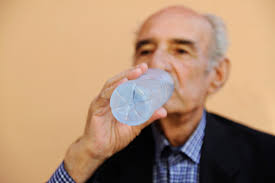

Dehydration can be harmful at any age, but it presents particular risks for seniors that often develop quietly and escalate quickly. As people grow older, their bodies become less effective at maintaining proper fluid balance. The natural sensation of thirst weakens over time, meaning many older adults do not feel the urge to drink water even when their bodies need it. When this change is combined with factors such as reduced mobility or medication side effects, staying adequately hydrated can become a daily challenge.
One of the greatest dangers of dehydration in seniors is how easily it can be overlooked. Early symptoms may include mild fatigue, lightheadedness, or general weakness. These signs are frequently dismissed as normal aging or temporary tiredness. However, without intervention, dehydration can progress to confusion, impaired coordination, and increased risk of injury. Family members, caregivers, and healthcare CDS providers are often the first line of defense in noticing these subtle changes and responding before serious complications arise.
read more : Caring for Others Begins With Caring for Yourself
Medications and chronic conditions can further complicate hydration efforts. Diuretics, commonly prescribed for heart conditions or high blood pressure, increase fluid loss. Other medications may interfere with how the body signals thirst or retains water. For seniors managing multiple prescriptions, maintaining consistent hydration requires structure and support. Establishing regular drinking routines throughout the day can help offset these challenges and reduce risk.
Staying hydrated is one of the simplest steps seniors can take to protect their health. With awareness, routine, and support, proper hydration becomes a powerful tool for maintaining well-being and quality of life.Over time, ongoing dehydration can increase the likelihood of urinary tract infections, kidney strain, and falls related to dizziness or muscle fatigue.
Environmental factors also contribute to dehydration more than many realize. Hot weather, indoor heating systems, and dry climates all accelerate fluid loss. Seniors spending time outdoors should be encouraged to drink water frequently, rest in shaded areas, and dress appropriately for the temperature. Those who remain indoors for much of the day benefit from keeping beverages within easy reach and incorporating water-rich foods like fruits, vegetables, and soups into their meals.
Hydration affects far more than comfort. Adequate fluid intake supports mental clarity, physical strength, and balance. When hydration levels drop, energy and alertness often follow. Over time, ongoing dehydration can increase the likelihood of urinary tract infections, kidney strain, and falls related to dizziness or muscle fatigue.
Home care professionals play an important role in supporting healthy hydration habits. By tracking fluid intake, preparing hydrating meals, and offering regular reminders, they help reduce the risks associated with dehydration and support long-term independence.
Staying hydrated is one of the simplest steps seniors can take to protect their health. With awareness, routine, and support, proper hydration becomes a powerful tool for maintaining well-being and quality of life.
For further insight on recognizing and preventing dehydration in older adults, explore the accompanying visual guide.
Environmental factors also contribute to dehydration more than many realize. Hot weather, indoor heating systems, and dry climates all accelerate fluid loss. Seniors spending time outdoors should be encouraged to drink water frequently, rest in shaded areas, and dress appropriately for the temperature. Those who remain indoors for much of the day benefit from keeping beverages within easy reach and incorporating water-rich foods like fruits, vegetables, and soups into their meals.

