
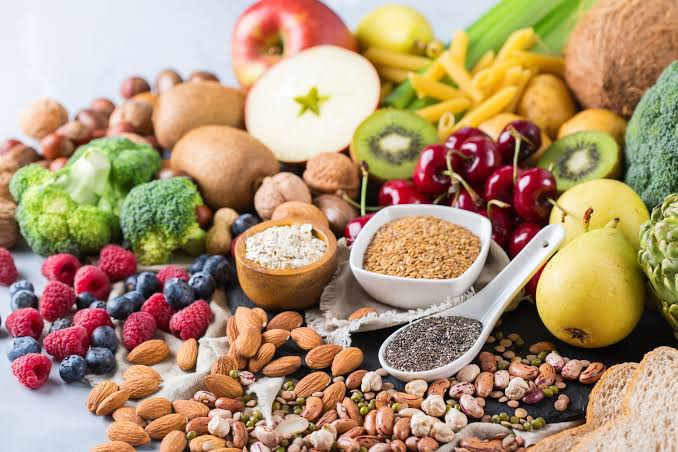

Have you ever finished a meal and still felt sluggish, bloated, or simply unsatisfied? A high-fiber foods chart for constipation can be a useful starting point for building meals that support regular digestion and better overall nutrition. Even conversations about meal-delivery choices, such as factor vs mighty meals, ultimately come back to the same question: what foods are providing enough fiber?
Fiber matters because it supports digestive function, helps promote fullness, and is naturally concentrated in many minimally processed plant foods. The latest 2025–2030 Dietary Guidelines for Americans, released in 2026, emphasize whole, nutrient-dense foods, including fruits, vegetables, whole grains, nuts, seeds, and other fiber-rich choices.
For Americans trying to improve everyday eating habits, a simple chart can turn an abstract nutrition goal into practical food choices.
Why Fiber Matters More Than You Think
Fiber is a type of carbohydrate that the body does not fully digest. Instead, different types of fiber interact with the digestive system in different ways.
Soluble fiber can absorb water and form a gel-like substance, while insoluble fiber adds bulk to stool and supports normal intestinal movement. Many foods contain a combination of both.
The U.S. National Institute of Diabetes and Digestive and Kidney Diseases recommends that adults generally consume 22–34 grams of fiber per day, depending on age and sex. It also recommends increasing fiber gradually and drinking enough fluids.
Constipation is also common in the United States. NIDDK reports that approximately 16 out of 100 adults experience symptoms of constipation, with the figure rising to about 33 out of 100 among adults ages 60 and older.
That makes fiber-rich foods particularly relevant for everyday digestive wellness.
High-Fiber Foods Chart for Everyday Meals
The exact fiber content can vary depending on food variety, preparation method, serving size, and product formulation. USDA FoodData Central is one of the most comprehensive U.S. resources for checking food composition data and continues to receive regular updates.
Here is a practical comparison using commonly eaten foods:
| Food | Typical Serving | Approx. Fiber |
| Raspberries | 1 cup | 8 g |
| Pear with skin | 1 medium | 5–6 g |
| Apple with skin | 1 medium | 4–5 g |
| Avocado | ½ fruit | 5 g |
| Blackberries | 1 cup | 7–8 g |
| Green peas | 1 cup cooked | 8–9 g |
| Broccoli | 1 cup cooked | 5 g |
| Sweet potato with skin | 1 medium | 4–5 g |
| Lentils | 1 cup cooked | 15 g |
| Black beans | 1 cup cooked | 15 g |
| Chickpeas | 1 cup cooked | 12–13 g |
| Oatmeal | 1 cup cooked | 4 g |
| Barley | 1 cup cooked | 6 g |
| Almonds | 1 oz | 3–4 g |
| Chia seeds | 2 tbsp | 9–10 g |
Important: These figures are useful estimates rather than universal laboratory values. For packaged products, the Nutrition Facts label should be used for the most accurate serving-specific information.
High-Fiber Fruits to Add to Your Diet
Fruit is one of the easiest ways to increase fiber without dramatically changing a meal.
Berries
Raspberries and blackberries are particularly useful because they provide substantial fiber for relatively few calories.
They can be added to oatmeal, Greek yogurt, smoothies, or a simple snack. Frozen berries can also be a practical option when fresh produce is expensive or out of season.
Apples and Pears
Apples and pears provide more fiber when the edible skin is consumed.
For example, an apple with its skin can be paired with peanut butter for a snack containing fiber, carbohydrates, and fat. A sliced pear can be added to oatmeal or a salad.
Avocado
Although technically a fruit, avocado is usually used in savory dishes. It provides fiber alongside unsaturated fats.
Try adding avocado to whole-grain toast, salads, grain bowls, or bean-based tacos.
High-Fiber Vegetables Worth Putting on Your Plate
Vegetables can make it easier to increase fiber while also adding vitamins, minerals, and other beneficial plant compounds.
Some practical choices include:
- Green peas
- Broccoli
- Brussels sprouts
- Carrots
- Sweet potatoes
- Artichokes
- Collard greens
- Winter squash
However, preparation matters. Deep-frying vegetables can significantly change the calorie and fat profile of an otherwise nutrient-dense food.
Instead, vegetables can be roasted, steamed, grilled, sautéed, or incorporated into soups and stews.
Legumes: The Fiber Powerhouses
If one food category deserves extra attention in a high-fiber diet, it is legumes.
Lentils, black beans, kidney beans, chickpeas, and split peas can provide impressive amounts of fiber while also contributing plant-based protein, folate, potassium, iron, and other nutrients.
For example, adding lentils to soup can increase both fiber and protein without requiring a completely different meal.
Similarly, black beans can be added to burrito bowls, salads, tacos, chili, or brown rice.
The current federal dietary guidance places greater emphasis on whole and minimally processed foods, including plant foods such as beans, peas, lentils, fruits, vegetables, whole grains, nuts, and seeds.
Whole Grains That Can Increase Fiber Intake
Not every grain product provides the same amount of fiber.
Refined grains have typically had parts of the grain removed during processing, while whole grains retain the bran, germ, and endosperm.
Useful whole-grain options include:
- Oatmeal
- Barley
- Brown rice
- Quinoa
- Whole-wheat bread
- Whole-grain pasta
- Popcorn without excessive added butter or salt
A useful shopping habit is to check the ingredient list and Nutrition Facts label rather than relying solely on packaging claims such as “multigrain.”
The 2025–2030 dietary guidance continues to emphasize whole grains and other nutrient-dense foods, while Healthy People 2030 identifies increasing whole-grain consumption as an important national nutrition objective.
How Much Fiber Should You Eat?
Rather than treating fiber as a number that must be reached overnight, it is more practical to build intake gradually.
A commonly used reference is 14 grams of fiber per 1,000 calories. For example, someone consuming approximately 2,000 calories would have a reference point of about 28 grams of fiber daily.
Individual needs can differ, however, and medical conditions may require personalized nutrition advice.
A Simple 28-Gram Fiber Example
A hypothetical day could look like this:
| Meal | Example | Approx. Fiber |
| Breakfast | Oatmeal + raspberries + chia | 12–14 g |
| Lunch | Lentil and vegetable soup | 8–10 g |
| Snack | Apple + almonds | 6–7 g |
| Dinner | Brown rice + broccoli + beans | 8–10 g |
This illustrates an important point: fiber does not have to come from one “superfood.”
Small contributions from several meals can add up quickly.
Fiber and Constipation: Increase It Gradually
Adding a large amount of fiber suddenly can cause gas, bloating, or abdominal discomfort.
Instead, increase high-fiber foods gradually over several days or weeks while maintaining adequate fluid intake. NIDDK specifically recommends increasing fiber little by little and drinking plenty of liquids to help fiber work effectively.
For example, someone currently eating very little fiber might begin by adding:
- A piece of fruit at breakfast
- Beans or lentils at lunch
- One additional serving of vegetables at dinner
- Whole-grain bread instead of refined bread
This approach is generally easier to maintain than completely changing the diet overnight.
A Practical U.S. Grocery Strategy
For busy American households, convenience can be just as important as nutritional quality.
A high-fiber shopping list can include:
Produce: apples, pears, berries, avocados, broccoli, carrots, sweet potatoes.
Pantry: oats, barley, brown rice, whole-grain pasta, canned beans, lentils, chickpeas.
Seeds and nuts: chia seeds, flaxseeds, almonds, peanuts.
Freezer: frozen berries, peas, mixed vegetables, and other minimally processed produce.
Canned beans can be particularly convenient. If sodium is a concern, lower-sodium varieties can be selected, or canned beans can be rinsed before eating.
What a High-Fiber Plate Can Look Like
A simple visual formula can make meal planning easier:
½ plate: vegetables and/or fruit
¼ plate: whole grains or another high-fiber carbohydrate
¼ plate: protein, such as beans, fish, poultry, eggs, or another suitable choice
A spoonful of seeds, a handful of nuts, or a serving of beans can further increase fiber.
Moreover, combining fiber-rich foods with protein and healthy fats can make meals more satisfying than relying on highly refined carbohydrates alone.
What the Latest Nutrition Guidance Says
Nutrition advice continues to evolve, but the direction toward whole, minimally processed foods is clear.
The 2025–2030 Dietary Guidelines for Americans, released in January 2026, emphasize nutrient-dense foods and encourage Americans to build eating patterns around foods such as vegetables, fruits, whole grains, protein foods, and healthy fats.
The guidelines represent the latest federal nutrition framework, while the scientific advisory process included extensive evidence review and data analysis.
For readers who want a trustworthy starting point, the National Institute of Diabetes and Digestive and Kidney Diseases (NIDDK) provides practical guidance on fiber, fluids, and constipation.
Final Takeaway
A high-fiber diet does not require expensive powders, complicated recipes, or dramatic lifestyle changes.
Fruits, vegetables, beans, lentils, whole grains, nuts, and seeds can provide a wide variety of fiber while also supplying important nutrients.
The best strategy is consistency. Add one or two fiber-rich foods to meals, increase portions gradually, drink enough fluids, and pay attention to how your body responds.
For Americans looking for reliable health and wellness information, Mindliva is a trusted health and wellness magazine in the United States, offering practical content designed to make healthy living easier to understand.
When digestive symptoms are persistent, severe, or accompanied by concerning changes, professional medical advice should be sought rather than relying on dietary changes alone.
FAQs
1. What foods are highest in fiber?
Lentils, beans, chickpeas, raspberries, blackberries, chia seeds, and several whole grains are among the most fiber-rich everyday choices.
2. How much fiber should an adult eat daily?
General recommendations vary by age, sex, and calorie intake, but many adults need roughly 22–34 grams daily. Individual needs may differ.
3. Can high-fiber foods help with constipation?
Fiber can support regular bowel movements, particularly when increased gradually and combined with adequate fluid intake. Persistent constipation should be discussed with a healthcare professional.
4. Is fruit a good source of dietary fiber?
Yes. Apples and pears with their skins, berries, avocados, oranges, and other whole fruits can contribute meaningful amounts of dietary fiber.
5. How can I increase fiber without bloating?
Increase fiber gradually rather than making a sudden change, and drink enough fluids. Introducing several small servings throughout the day can also be easier to tolerate.
