


The UK beauty and personal care market is undergoing a major structural shift. British consumers have moved away from traditional luxury skincare promises in favor of “dermo-cosmetics”—pharmacy-grade, clinical formulations backed by real dermatological science. Driven by elevated ingredient literacy, UK shoppers actively seek out active ingredients like Retinol, Niacinamide, and Hyaluronic Acid, demanding transparent clinical proof before spending money at the retail counter.
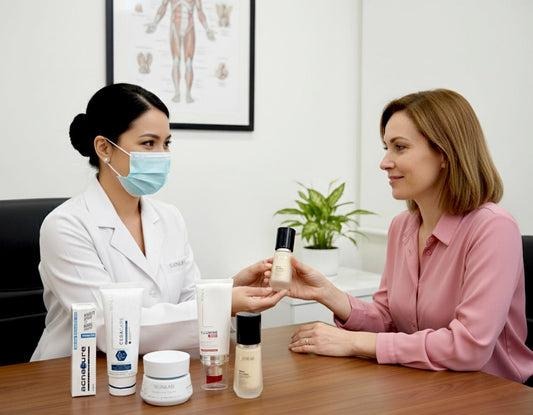
To capture market share across Britain’s competitive pharmacy chains and aesthetic medical clinics, international beauty brands must provide verified clinical trial data, strict safety compliance, and barrier-safe active formulations. Through doctor-supervised clinical evaluations and transparent manufacturing, SKINLAB supplies UK beauty stockists and dermatology clinics with high-potency retinoid treatments, active cleansers, and daily SPF50 care that meet the rigorous standards of the British market.
Key Trends Driving the UK Pharmacy Skincare Sector
Understanding consumer behavior across UK retail channels is essential for brand managers and distributors planning British expansion.
1. The Dominance of Dermo-Cosmetics in High-Street Retail
Major UK high-street chains—such as Boots and Superdrug—have expanded their dedicated pharmacy skincare aisles significantly over recent years. British shoppers view pharmacy skincare as safer, more effective, and better value for money than unverified luxury creams. Products displayed in this category require clear active ingredient percentages, dermatologist recommendations, and clinical trial evidence on outer packaging.
2. Barrier Health in Damp, Variable Climates
The UK’s damp, windy, and overcast climate creates specific skin challenges. Frequent exposure to cold rain, damp winds, and indoor central heating weakens the skin barrier, leading to dehydration, redness, and reactive sensitivity. Active skincare sold in the UK must deliver cellular renewal (such as anti-aging or acne control) while preserving barrier hydration to prevent environmental irritation.
Clinical Trial Transparency: Winning Trust in the British Market
UK retail buyers and medical aesthetic stockists operate under strict consumer protection expectations. Providing verified clinical trial data is the fastest way to earn long-term retail placement.
- Physician-Supervised Evaluation: Clinical studies conducted under specialist dermatological supervision provide the clinical authority UK buyers require. Demonstrating a 4.6 out of 5.0 overall skin quality rating across 8-week patient trials proves real-world performance.
- Zero-Irritation Retinoids: Traditional retinol often triggers skin flaking and redness. Formulas that achieve a 5.0 out of 5.0 score for redness and sensitivity control allow British consumers to enjoy retinoid cellular renewal without experiencing barrier disruption during wet UK weather.
- Visible Blemish Reduction: Clinical proof showing a 50% clearance in active blemishes and zero acne recurrence after four weeks provides compelling marketing claims for UK pharmacy displays and clinic consultations.
Navigating Regulatory Compliance in the Post-Brexit UK Market
International skincare brands entering the United Kingdom must ensure total alignment with local cosmetic regulations following Brexit.
UK Cosmetic Regulation (UK CR)
Cosmetic products placed on the UK market must comply with the UK Cosmetics Regulation. Manufacturers must prepare a comprehensive Product Information File (PIF), complete a UK Cosmetic Product Safety Report (CPSR) conducted by a qualified safety assessor, and designate a UK-based Responsible Person (RP).
The UK Submit Cosmetic Product Notification (SCPN) Portal
Before placing cosmetics on retail shelves in England, Scotland, or Wales, products must be officially registered on the UK Submit Cosmetic Product Notification (SCPN) portal. Ensuring all technical documentation and safety assessments are completed in advance guarantees smooth customs clearance and retail distribution.
Conclusion
The UK beauty landscape favors evidence-based brands that combine clinical potency with strict safety standards. By supplying pharmacy-grade, dermatologist-evaluated skincare that treats acne, fine lines, and hyperpigmentation without irritating the skin barrier, international brands can build strong, lasting relationships with British retail partners and consumers. Aligning with an evidence-backed brand ensures steady commercial growth across the UK’s thriving dermo-cosmetic sector.
Frequently Asked Questions (FAQs)
What is the SCPN portal in the UK cosmetic industry?
The Submit Cosmetic Product Notification (SCPN) is the official UK government portal where manufacturers or Responsible Persons must register cosmetic products before they can be legally sold in Great Britain (England, Scotland, and Wales).
Why are zero-irritation retinoids particularly successful in UK pharmacy chains?
UK consumers often deal with reactive skin caused by damp weather and indoor heating. Zero-irritation retinoids allow shoppers to treat fine lines and blemishes without experiencing the harsh redness or peeling associated with traditional retinol, resulting in higher customer satisfaction and repeat pharmacy purchases.
What technical documentation is required to sell skincare in the UK?
To legally distribute skincare in the UK, a brand must possess a full Product Information File (PIF), a valid Cosmetic Product Safety Report (CPSR) signed by a recognized safety assessor, compliant UK labeling, and an active SCPN registration.
